
Tokenized Treasuries Enter Institutional Repo Workflows
In brief
Current as of 2026-10-09.
- BNY said it completed a triparty repo workflow with Citadel Securities, describing it as the first use of tokenized assets on a major triparty repo platform.
- Citadel bought a two-year U.S. Treasury note through BNY on Tradeweb. BNY recorded a tokenized representation on its private digital ledger, and said it settled within minutes rather than on the standard T+1 cycle.
- After settlement, Citadel used the tokenized Treasury as collateral in an overnight triparty repo, with BNY providing cash.
What changed

BNY described a workflow linking a Treasury purchase through Tradeweb, settlement of a tokenized representation on BNY’s private digital ledger, and use of that representation as collateral in an overnight triparty repo. Citadel Securities bought the note through BNY. After execution, BNY recorded the tokenized representation, which it said settled within minutes. Citadel then used the tokenized Treasury as collateral for overnight financing, with BNY providing cash.
BNY characterized the workflow as the first use of tokenized assets on a major triparty repo platform. The sequence connected trade execution, settlement and short-term financing. That is the specific result BNY announced: a tokenized Treasury representation was used beyond settlement, as collateral in a financing transaction.
BNY said the two-year U.S. Treasury note settled within minutes, compared with the standard T+1 settlement cycle. The release does not specify the transaction time or the note’s face value, so it offers limited detail for assessing the deployment’s size and timing. BNY also did not identify a public chain, contract address, transaction hash, security CUSIP or ledger block. Without those details, outsiders cannot independently check the ledger settlement path or collateral movement through a public explorer.
The disclosed sequence is therefore clear at a high level, while some details remain unavailable. BNY reported the purchase route, the use of its private ledger, the settlement speed and the later repo collateral use. The public information does not give observers the transaction identifiers or deal size that could support a more detailed external assessment.
Section source: BNY Completes Tokenized U.S. Treasury Triparty Repo Workflow with Citadel Securities; BNY and Citadel move a tokenized Treasury from settlement into repo.
Why it matters
For collateral and financing teams, the workflow shows how a digitally represented security can be used in a financing step after settlement. In this case, Citadel moved from buying the Treasury to using it as collateral for overnight cash financing. BNY presented the sequence as connecting trade execution, settlement and short-term financing within one institutional workflow.
The order of those steps is central to what the announcement demonstrates. The Treasury was bought through BNY on Tradeweb, its tokenized representation was recorded on BNY’s private digital ledger and settled, and the representation was then used as repo collateral. BNY described the settlement as taking minutes rather than following the standard T+1 cycle. This provides an example of collateral use following settlement in the reported transaction; it does not establish how the same process would work across other participants or infrastructure.
The distinction between the securities leg and the cash leg matters. BNY said it provided cash in the repo, but the announcement did not say that the cash leg was tokenized. The completed workflow therefore demonstrates a tokenized Treasury representation used as collateral alongside cash financing. It does not establish an on-chain exchange of a tokenized security for tokenized cash.
BNY said it plans to introduce additional digital cash and tokenized deposit capabilities to support institutional on-chain settlement and financing activity. Those plans are future capabilities. They are separate from the workflow BNY described as completed, which used a tokenized Treasury representation and cash financing.
The claim about operating hours also needs careful reading. BNY expects to extend the hours of its traditional settlement platforms for Fed-eligible securities and U.S. triparty transactions into European and Asian trading hours next year. BNY presented this as a future step. The completed repo does not show that these platforms already operate around the clock, and the announced expansion is not a capability demonstrated by this transaction.
Together, the cash and operating-hours details help define the boundaries of the announcement. The described transaction connected settlement and financing for a tokenized Treasury representation. The release did not say the repo’s cash leg was tokenized, and BNY framed digital cash capabilities and expanded platform hours as future plans.
Section source: BNY Completes Tokenized U.S. Treasury Triparty Repo Workflow with Citadel Securities; BNY and Citadel move a tokenized Treasury from settlement into repo.
IT Finance perspective: what this means in practice
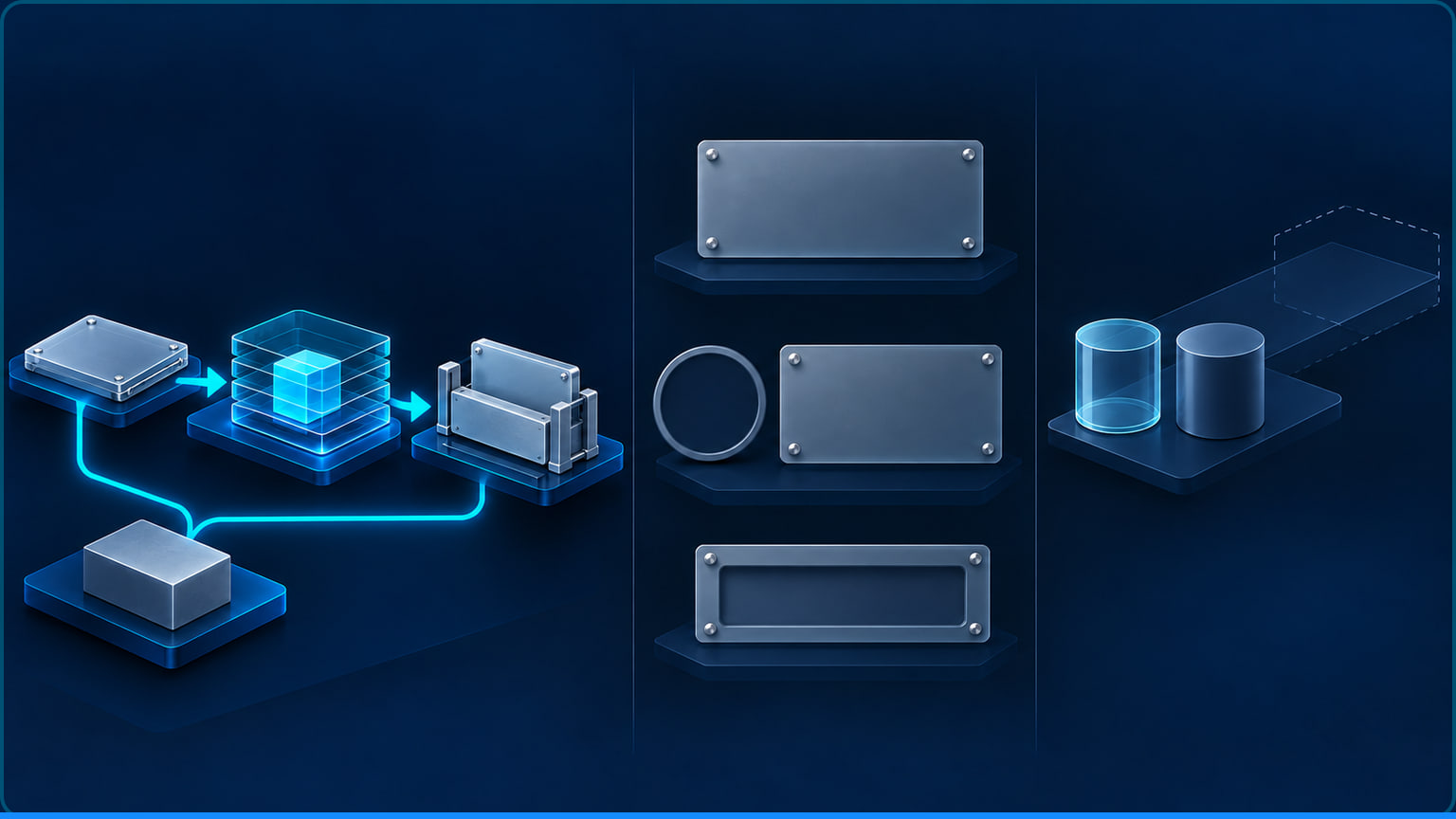
For business and technical leaders, the result is best read as evidence of a connected settlement-to-financing path within BNY’s infrastructure. The public account supports a specific claim: Citadel bought a two-year U.S. Treasury note through BNY on Tradeweb; BNY recorded a tokenized representation on its private digital ledger and said it settled within minutes; Citadel then used it as collateral in an overnight triparty repo, with BNY providing cash.
That sequence is useful when assessing what the example does and does not cover. It describes a Treasury purchase, settlement and later financing in a workflow connected by BNY. It does not establish that another custodian or repo platform would recognize the representation or that the workflow is broadly interoperable. The public account does not give a basis for assuming that other systems would follow the same process.
The available disclosures also leave specific operational questions unanswered. They do not identify the ledger controls used to determine when settlement became final, or explain how the tokenized representation would move outside BNY’s connected workflow. Since the ledger is private and the announcement does not provide public identifiers such as a transaction hash or ledger block, external observers cannot use a public explorer to check the reported settlement path or collateral movement.
Those limits matter when comparing the announcement with an operating model that another organisation might adopt. A team assessing tokenized collateral can use the disclosed sequence to identify the stages involved: execution through Tradeweb, ledger recording and settlement, then use as repo collateral. The announcement itself does not specify how another institution would connect to those stages, determine settlement completion or establish collateral eligibility. Those details would need to be assessed with the relevant operators for the workflow under consideration.
A deployment review should also separate the completed transaction from planned changes. The tokenized security representation and its use as repo collateral were part of the described transaction. Digital cash and tokenized deposits were among BNY’s future plans. Expanded operating hours for the traditional settlement platforms were also presented as a future step, with BNY expecting to extend into European and Asian trading hours next year.
The undisclosed deal size and transaction time further limit what external observers can assess about scale and timing. The missing public ledger identifiers limit independent verification. These are distinct limits: one concerns the information available about the transaction’s size and timing, while the other concerns checking the ledger activity through public tools.
For organisations evaluating similar workflows, IT Finance’s asset-tokenization services can support the assessment of tokenization architecture, operational controls and integration requirements.
Section source: BNY Completes Tokenized U.S. Treasury Triparty Repo Workflow with Citadel Securities; BNY and Citadel move a tokenized Treasury from settlement into repo.
What to do next
- Map the asset’s path from execution through settlement and collateral use, identifying which institution and system handles each step.
- Ask counterparties how settlement finality and collateral eligibility are determined, and what evidence is available to verify them.
- Assess the securities and cash legs separately. Confirm which are tokenized in the workflow under consideration.
- Treat interoperability and expanded operating hours as requirements to validate, rather than capabilities established by this deployment.
- When reviewing a reported transaction, distinguish information about the sequence from evidence about its size, timing and ledger state.
Conclusion
BNY and Citadel’s transaction provides a concrete example of a tokenized Treasury representation moving from settlement into overnight repo financing within a connected institutional workflow. BNY said the representation settled within minutes, compared with the standard T+1 cycle, and that it was then used as collateral while BNY provided cash.
The disclosure leaves the transaction’s face value and time undisclosed and does not provide public ledger identifiers for independent explorer-based checking. It also does not say the repo cash leg was tokenized. BNY’s plans for additional digital cash and tokenized deposit capabilities, and for expanded traditional settlement hours, remain future steps.
FAQ
What did the BNY and Citadel workflow demonstrate?
BNY described Citadel’s purchase of a two-year U.S. Treasury note through BNY on Tradeweb, settlement of its tokenized representation on BNY’s private digital ledger within minutes, and subsequent use of that representation as collateral in an overnight triparty repo.
Was the repo cash leg tokenized?
The disclosed account says BNY provided cash but does not say that the cash leg was tokenized. BNY’s plans for digital cash and tokenized deposits remain future capabilities.
Does this transaction show that BNY’s settlement platforms operate around the clock?
No. BNY described expanded operating hours for its traditional settlement platforms into European and Asian trading hours as a future plan. The completed transaction does not establish round-the-clock platform operations.
Can the ledger activity be independently checked through a public explorer?
The disclosed information does not identify a public chain, contract address, transaction hash or ledger block. DeFiPrime noted that, without these details, the settlement path and collateral movement cannot be independently checked through a public explorer.
What details about the transaction were not disclosed?
DeFiPrime noted that BNY’s announcement did not disclose the Treasury note’s face value or the transaction time. That limits the detail available for assessing the deployment’s size and timing.
Sources
- BNY Completes Tokenized U.S. Treasury Triparty Repo Workflow with Citadel Securities
- BNY and Citadel move a tokenized Treasury from settlement into repo
This article was prepared with the support of AI tools and verified against the public sources listed above.